
The Association of Chartered Certified Accountants (ACCA) is a globally recognised qualification that allows you to build a successful career in ACCA across various international markets. After earning this qualification, you can be officially called a professional accountant and an ACCA member, which opens several doors in the industry for such individuals.
ACCA is recognised as an official accounting body in the UK, USA, Singapore, UAE and 180+ other countries across the globe. While ACCA opens doors to numerous opportunities for you after completion of all 3 levels, several factors affect how successful you are in your career.
What is ACCA, and Why is it A Popular Career Choice?
The Association of Chartered Certified Accountants (ACCA) is a leading global professional accounting body. A career in ACCA is highly sought after because it offers a flexible, comprehensive, and prestigious pathway into the international world of finance and strategic management.
- Global Mobility: Work in over 180 countries with a single qualification.
- Industry Demand: Trusted by 7,000+ approved employers, including the Big 4.
- Flexible Learning: Students can balance exams with work or university studies.
- Comprehensive Skillset: Combines technical accounting with strategic business leadership.
Is ACCA right for you? Call now for 1:1 global career advice
 Consult for Free
Why Choose ACCA as a Career in 2026?
In 2026, the demand for finance professionals who understand global standards and digital transformation is at an all-time high. Choosing a career in ACCA ensures you stay ahead of the curve, as the curriculum is constantly updated to include the latest insights on sustainability, data analytics, and ethical leadership in a tech-driven economy.
Furthermore, the 2026 job market prioritises versatile experts who can navigate complex international regulations. By qualifying, you gain an elite status that signals both competence and resilience. Whether you aim for roles in investment banking, forensic accounting, or corporate treasury, ACCA provides the competitive edge needed to secure high-paying, future-proof positions.
Step-by-Step Guide to Start a Career in ACCA
Embarking on a career in ACCA requires a strategic approach to mastering global accounting standards. By following this structured roadmap, you can efficiently navigate the professional qualification process and secure prestigious finance roles within the competitive international business landscape.
Check Eligibility
Before starting your journey, verify your entry requirements based on your educational background. Most students begin after 10+2, while graduates or Chartered Accountants may claim specific exemptions, reducing the number of mandatory Applied Skills or Strategic Professional exam papers.
Register for ACCA
Once eligible, complete your initial registration through the official portal to become a student member. This step grants you access to essential study resources, allows you to book examination sessions, and officially begins your professional path toward membership.
Complete Exams
You must successfully pass thirteen rigorous modules covering financial reporting, audit, and taxation. Dedicate sufficient time to the Strategic Professional level and the Ethics and Professional Skills module to ensure you meet the high standards expected of global professionals.
Gain Practical Experience
To supplement your technical knowledge, you must complete the Practical Experience Requirement (PER). This involves three years of supervised work in a relevant accounting or finance role, proving you can apply theoretical concepts to real-world corporate challenges effectively.
Apply for Finance Roles
After completing your examinations and work experience, you are ready for a full-time career in ACCA. Leverage your status as a qualified affiliate to apply for diverse opportunities in investment banking, management consulting, or corporate auditing worldwide.
Tips to Help You Plan a Successful Career in ACCA
Strategically planning your career in ACCA involves balancing technical study with professional development. Use these expert tips to optimise your learning schedule, leverage networking opportunities, and stay committed to long-term goals.
1. Make a Career Plan
Once you have decided against pursuing ACCA, you need to make a concrete plan about where you want to be in a few years from now. Mapping out certain career milestones and figuring out what the steps are that you need to take to get there is a great way to have a successful career in ACCA.
2. Work and Study Simultaneously
The beauty of pursuing this course is that you can study for the course while gaining some relevant work experience in the field. This work experience, if in the field of finance and accounting, is likely to add to the 36 months of work experience required as part of your Practical Experience Requirement (PER).
3. Improve your Network
Building your network and connecting with experienced professionals and ACCA members is something that can help with your career in ACCA. This can be achieved by attending ACCA events, webinars and alumni events whenever you have the opportunity to.
Chat now to unlock a limited-time discount on ACCA fees
 Chat on WhatsApp
Skills that Can Help You Land a Good Job After ACCA
Just completing the three levels of ACCA is not enough to land a high-paying and highly valuable job in a reputable company. To truly make a successful career in ACCA and get a good job, there are some skills that you may need to develop to be more employable in the eyes of a hiring manager. Here are some skills that companies look for when hiring ACCA professionals.
Business and Strategic Decision-Making
Accounting and finance professionals are now being largely valued for their commercial and business-related insights. When looking for jobs in this field, it is great to have at least some basic knowledge of business administration and strong decision-making skills when it comes to business and profit-generating strategy.
Commercial Acuity
To work in the field of accounting and finance, one of the most basic skills that a successful professional should have is the ability to understand the commercial market trends and fiscal behaviour. Companies are likely to hire candidates that show a significant understanding of the market and can offer insights on the current market trends and suggest changes to make more profit and earn more revenue.
Capacity for Innovation
Another important skill that can set you apart from the rest of the candidates when applying for a job is the ability to think outside the box. Employers actively look for innovative minds that can come to unique solutions to their problems or make certain processes easier and more cost-efficient. If you think you can come up with some unique and efficient ideas to help your company grow, you can make a successful career in ACCA
Industry-specific Knowledge and Regulations
While we talk about all the additional skills that can be developed in an accounting career, it is important to keep in mind the most basic technical requirements of an ACCA accounting professional. To land interviews with leading accounting firms and huge investment companies, you need to have up-to-date knowledge about the latest industry regulations and market trends.
It is also important to be well-informed about the accounting standards of your industry and the International Financial Reporting Standards (IFRS). You can also take up additional courses such as the Diploma in IFRS to brush up on your skills. Moreover, you should also be able to derive valuable insights from your observations of such trends and communicate them concisely and effectively.
ACCA Career Path: From Student to Senior Finance Roles
Beginning as an ACCA student, your career path begins with learning the basic principles of accounting. As you move through the levels and complete the required three years of work experience, you develop from a trainee to a qualified professional with the skills to deal with complex financial reporting and strategic decision-making.
Your career path will finally culminate in senior leadership roles such as the financial controller or CFO. With worldwide recognition, you can switch between sectors, including auditing in Big 4 firms and management consulting, to ensure a diverse and prestigious career in ACCA that keeps pace with the changing global economy.
ACCA Salary in India and Abroad
Salaries for those pursuing a career in ACCA vary by location and experience. While India offers strong growth, international markets often provide higher starting packages for qualified strategic professionals.
| Region | Job Role | Entry-Level Salary (Annual) | Mid-to-Senior Salary (Annual) |
| India | Audit/Tax Associate | ₹5,00,000 – ₹8,00,000 | ₹15,00,000 – ₹25,00,000+ |
| UK | Finance Analyst | £30,000 – £40,000 | £65,000 – £90,000+ |
| UAE | Management Accountant | AED 1,20,000 – 1,50,000 | AED 2,50,000 – 4,00,000+ |
| Singapore | Financial Consultant | SGD 50,000 – 65,000 | SGD 1,10,000 – 1,60,000+ |
Source for ACCA Salary in India and Abroad – ACCA Global
Industries That Hire ACCA Professionals
A career in ACCA unlocks opportunities in various fields of work beyond the realm of accounting. Ranging from investment centres around the world to new technology start-ups, these fields appreciate the knowledge and integrity you possess.
| Industry | Typical Job Roles | Key Focus Area |
| Big 4 & Audit Firms | Statutory Auditor, Tax Consultant | Compliance & External Audit |
| Banking & Finance | Investment Analyst, Credit Manager | Portfolio & Risk Management |
| Manufacturing | Cost Accountant, Budgeting Manager | Operational Efficiency |
| IT & Fintech | Finance Business Partner, Systems Auditor | Digital Transformation & ROI |
| FMCG | Financial Controller, Supply Chain Analyst | Profitability & Global Logistics |
| Non-Profit/NGOs | Grant Manager, Treasury Officer | Financial Stewardship & Reporting |
Best Jobs for ACCA
ACCA creates various opportunities for students to get job opportunities not only in India but across the world. Here are some job options that will be available for you if you decide to make a career in ACCA.
1. Auditing
An Auditor is a professional who goes through the financial records of an organisation and ensures that they comply with tax laws and the regional accounting principles of their country of operation. They also protect the company from discrepancies and fraud by pointing out the flaws in their accounting methods. After completion of ACCA, you are eligible to work as an in-house auditor for a company as well as for an audit firm.
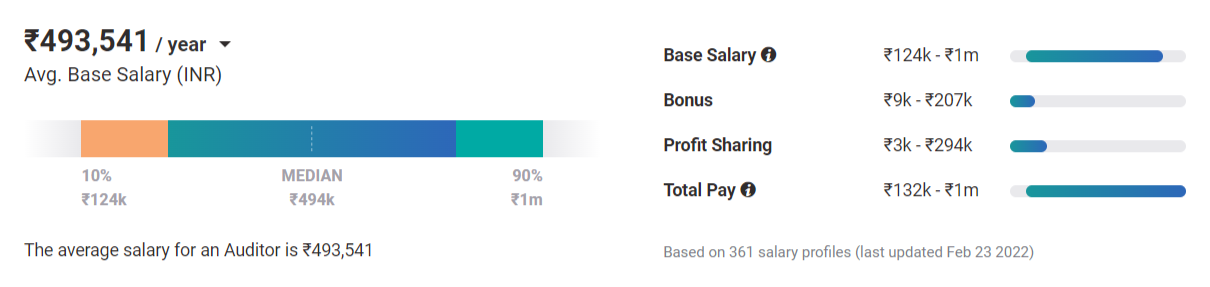
Average Base Salary: INR 6 Lakhs per annum
Qualifications Required: ACCA, US CPA or a state CPA
Source for Average Salary of an Auditor in India: Payscale
2. Financial Reporting Analyst
A Financial Reporting Analyst is authorised to gather financial data and look after a company’s financial landscape. They also create budgets and financial reports to document their observations and draw some forecasts and insights from them.
These professionals have to follow the Generally Accepted Accounting Principles (GAAP) when creating such financial statements and must thus have a strong understanding of these principles. Professionals who have completed ACCA are qualified to work as Financial Reporting Analysts.
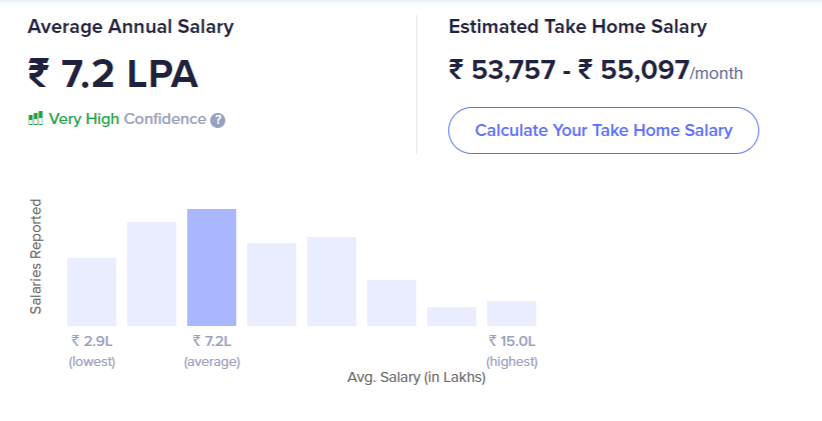
Average Base Salary: INR 8 Lakhs per annum
Qualifications Required: ACCA, Bachelor’s degree in Accounting, Finance or Economics
Source for Average Salary of an Financial Reporting Analyst in India: AmbitionBox
3. Management Consulting
A Management Consultant is a professional who offers solutions and expert advice to businesses to help them improve their performance. After completing ACCA, a professional could start working as a Management Consultant for any business in the accounting and finance industry.
You can also work for a firm that exclusively operates as a consulting firm. These may be one of the Big 4 companies like PwC and Deloitte or it could be companies like McKinsey & Company, Boston Consulting Group and Bain & Company.
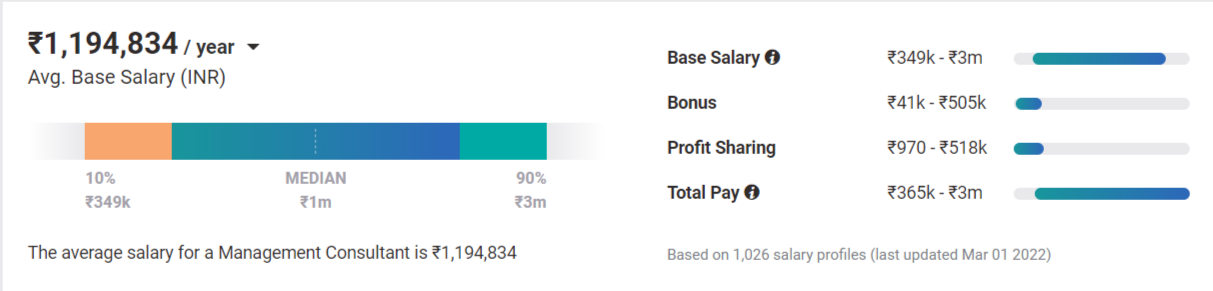
Average Base Salary: INR 15 Lakhs per annum
Qualifications Required: ACCA, Bachelor’s or Master’s degree in Finance, Economics, or Accounting
Source for Average Salary of a Management Consultant in India: PayScale
4. Tax Accountant
An accounting professional or a public accountant who specialises in tax preparation is known as a Tax Accountant. Such professionals are responsible for creating tax return documents for their clients and also helping them plan their financial goals and desired outcomes.
Depending on where they are working, they may or may not be required to have a bachelor’s degree in accounting. Larger companies also expect their tax accountants to be licensed CPAs or ACCAs. If you are also interested in pursuing CPA, check out our Certified Public Accountant (CPA) Course.
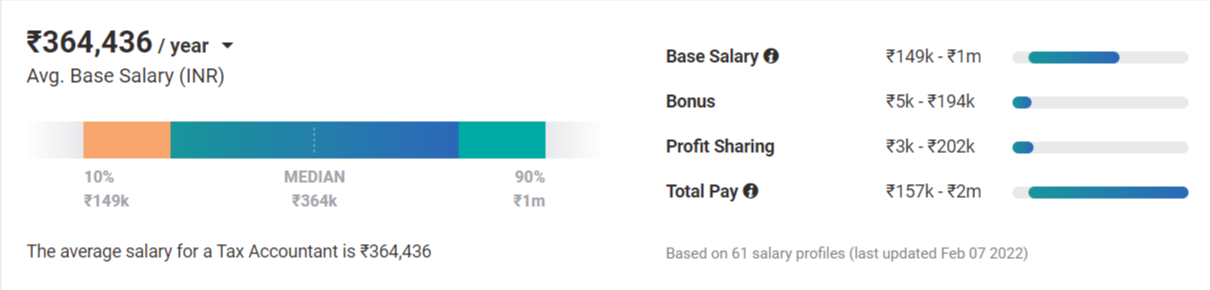
Average Base Salary: INR 3.64 Lakhs per annum
Qualifications Required: ACCA, US CPA or a state CPA
Source for Average Salary of a Tax Accountant in India: PayScale
5. Corporate Treasurer
A Corporate Treasurer analyses the capital reserves of a company and determines whether they can afford certain obligations or not. They also help create financial strategies and policies to help improve the finances of a company and advise the company on the kind of investments that are needed to be made. In case the company doesn’t have enough capital for certain investments, the corporate treasurer helps determine where the funds can be arranged from.
Average Base Salary: INR 9.83 Lakhs per annum
Qualifications Required: ACCA, Certified Treasury Professional (CTP) and Chartered Financial Analyst (CFA)
Source for Average Salary of a Corporate Treasurer in India: Glassdoor
6. Credit Control Manager
A Credit Control Manager, also sometimes referred to as a Credit Manager, is a professional who looks after the credit collection team of an organisation and manages the incoming capital of the business. Such collection could be from other businesses, also known as commercial collection, or it could be from individual consumers, which is referred to as consumer collection. Credit management is a very important factor in the financial management of a company because it keeps track of where all the capital of the company is.
Average Base Salary: INR 9.24 Lakhs per annum
Qualifications Required: ACCA, Certified Treasury Professional (CTP) and Chartered Financial Analyst (CFA)
Source for Average Salary of a Credit Control Manager in India: Glassdoor
Conclusion
Taking a career in ACCA is an empowering move towards achieving the status of a global finance leader. With its high standards and recognition across the globe, this certification will ensure that you are always on top of the game in the ever-changing market of 2026.
The ACCA qualification is recognised in over 180 countries, including Canada, Singapore, and Australia. If you’ve made the decision to become a global CA and are contemplating your next move, we can help you take a step forward. Check out our Association of Chartered Certified Accountants (ACCA) course to learn more.
FAQs on Careers in ACCA
What kind of jobs can I get with ACCA?
You can secure prestigious global roles in auditing, financial accounting, management consulting, and strategic taxation.
Can ACCA earn 1 crore per month?
While rare for starters, senior partners or CFOs in major global markets can achieve such elite earnings.
What is the 7-year rule in ACCA?
You must complete all Strategic Professional exams within seven years of passing your first one.
Is the ACCA salary more than the CA?
Salaries are generally comparable, though ACCA often commands higher packages in international markets and multinational corporations.

Current Role
Co-Founder & CEO at Zell Education
Education
- ACCA – Association of Chartered Certified Accountants, Finance (2011 – 2014)
- Bachelor of Commerce (BCom), Financial Markets from H.R. College Of Commerce & Economics (2010 – 2013)
Location
Mumbai, India
Expertise
ACCA Certified
Why Zell?
- • Largest Provider for Global F&A Courses
- • 4.6 Google Review Rating
- • 1000+ Global Placement Partners
- • Placement Opportunities at the Big 4
- • 100+ Global & Indian Rank Holders
- • 100+ Faculty Network
- • 10,000+ Students Placed
Speak to A Career Counselor

Professionally reviewed by Harshit Morparia, ACCA & Executive at Ernst & Young
Zell's 10th Anniversary Offer - Avail a 10% Scholarship