
The 5 fundamental principles of ethics ACCA guides accountants to work honestly, fairly, and professionally. They help ensure that every decision made in accounting is ethical and responsible.
Why Ethics Matter in the ACCA Qualification
What is ACCA? ACCA is a well-known accounting qualification that teaches people the skills they need and helps them become honest and trusted finance professionals. Ethics are very important for a successful career in accounting. Following the fundamental ethical principles in ACCA makes sure their work is clear, reliable, and trusted by clients and employers.
Here’s why ethics are so important in the ACCA qualification:
- Builds trust: Clients, colleagues, and the public can trust professionals when they follow the fundamental ethical principles in ACCA.
- Guides behaviour: The 5 fundamental principles of ethics in ACCA show the correct way to make decisions when situations are difficult.
- Protects reputation: Following the 5 fundamental principles of ethics in ACCA helps accountants stay dignified and avoid conflicts.
- Supports integrity: Understanding the fundamental principle of professional ethics makes sure every choice is fair, responsible, and clear.
- Keeps standards high: The 5 fundamental principles of ethics in ACCA guide professionals to do their work well and consistently.
By learning and applying these principles, ACCA professionals strengthen their careers and contribute to a trustworthy financial industry.
Unlock Your Course Today
Overview of the ACCA Code of Ethics and Conduct
The ACCA Code of Ethics and Conduct sets the standard for professional behaviour and decision-making in accounting and finance. It ensures that ACCA members act responsibly, maintain trust, and uphold the reputation of the profession.
Key elements of the ACCA Code include the following:
- Guiding framework: The fundamental principle of professional ethics provides a clear foundation for members to make ethical decisions in all situations.
- Integrity and honesty: Members are expected to act with integrity and transparency, following the fundamental principles of ethical behaviour in every professional interaction.
- Objectivity and fairness: The code encourages ACCA professionals to remain impartial, avoid conflicts of interest, and adhere to the fundamental principle of professional ethics when making judgements.
- Professional competence: Continuous learning and maintaining high standards of work reflect the fundamental principles of ethical behaviour.
- Confidentiality and accountability: Respecting client information and being accountable for decisions are core to the ACCA Code.
Source of Information for Overview of the ACCA Code of Ethics and Conduct – ACCA Global
The ACCA Code of Ethics and Conduct is created to make sure that the members not only comply with professional standards but also foster trust and credibility in the wider financial industry.
The 5 Fundamental Principles of Ethics in ACCA
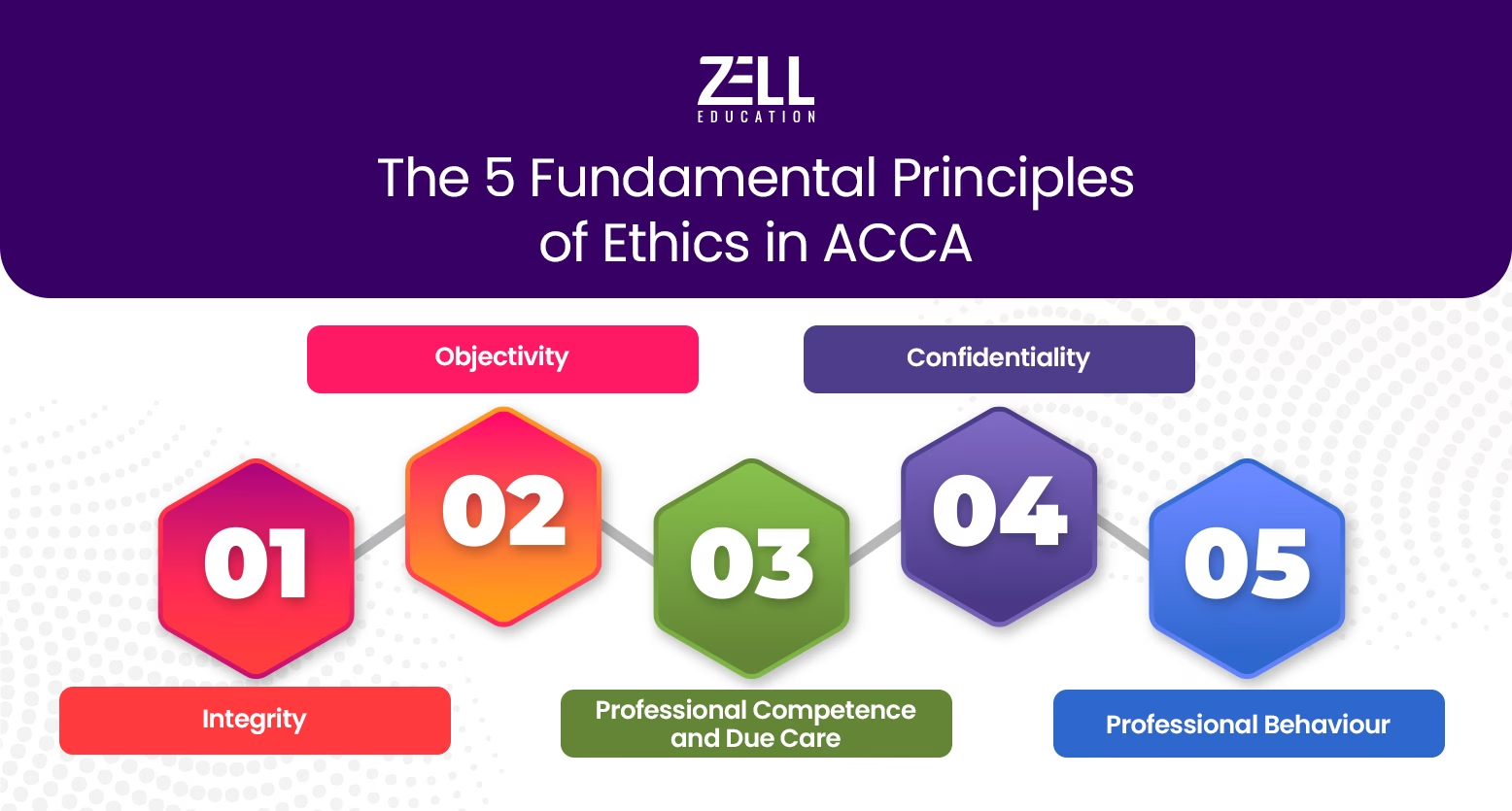
The primary guidelines that accountants adhere to in their employment are the 5 ACCA fundamental ethics principles. They assist ACCA members in making responsible and fair decisions that employers and clients can trust. Adhering to these guidelines ensures accountants act in the public interest and safeguards the reputation of the profession.
Following these principles consistently also helps professionals gain respect, build credibility, and pass challenging situations confidently.
Here’s a closer look at each principle:
- Integrity
Having integrity means being truthful, fair, and open with everyone you work. When accountants follow the basic ethical rules which are set by ACCA, they are sure not to lie or cheat anyone. - Objectivity
‘Objectivity’ means staying impartial and avoiding bias, conflicts of interest, or outside influence. It is an important part of the fundamental principles of ethical behaviour that ACCA members must follow at all times. - Professional Competence and Due Care
This principle focuses on keeping skills and knowledge up to date and doing work carefully and correctly. Following the fundamental principle of professional ethics ensures accountants give accurate and trustworthy advice. - Confidentiality
Confidentiality means protecting sensitive information gathered during work. ACCA members must make sure client or employer information is never misused, which follows the fundamental ethical principles in ACCA. - Professional Behaviour
Professional behaviour requires compliance with relevant laws and regulations while avoiding actions that may discredit the profession. Following the fundamental principles of ethical behaviour helps members maintain high standards and public trust.
Source of Information about The 5 Fundamental Principles of Ethics in ACCA – ACCA Global
By learning and following the 5 fundamental principles of ethics in ACCA, professionals can handle tricky situations with confidence while keeping their work honest and of high quality.
Real-World Examples of Ethical Principles in Practice
Knowing ethics in theory is good, but seeing how they work in real life helps ACCA professionals make better choices. The core principles of code of ethics are not simply regulations. They are everyday guides that accountants can rely on in their work.
Here are some examples of how ethical principles work in practice:
- Integrity at work: A finance professional refuses to alter the financial reports even when management is aggressive. From a practical perspective, this is a straightforward example of fundamental ACCA ethical principles, with integrity and honesty being the representative ethical principle in generating trust.
- Objectivity in decision-making: An accountant gives fair and unbiased advice to a client, even when personal or financial interests are involved. This shows how the 5 fundamental principles of ethics ACCA guide unbiased professional judgement.
- Professional competence and due care: A newly qualified ACCA professional keeps updating their skills to provide accurate and dependable advice. This demonstrates how the 5 fundamental principles of ethics ACCA help maintain high standards.
- Confidentiality in the workplace: Sensitive client information is handled carefully to make sure it is not shared improperly. This example reflects the fundamental principles of code of ethics in real work situations.
- Professional behaviour: An accountant follows the law and avoids any actions that could harm the reputation of the profession. Using the 5 fundamental principles of ethics ACCA ensures ethical standards are maintained in every situation.
By following the fundamental ethical principles of ACCA in their everyday work, professionals not only meet the standards of the ACCA course but also show what it really means to act ethically.
Importance of Ethics for ACCA Students and Professionals
Ethics are very important for ACCA students and professionals. Following the fundamental ethical principles in ACCA helps people earn trust, build credibility, and keep a good reputation throughout their career.
Here is why ethics matter
- Builds trust: Being ethical helps ACCA students and professionals gain the confidence of clients, colleagues, and employers.
- Helps with decisions: The 5 fundamental principles of ethics in ACCA give a clear guide for handling tough situations responsibly.
- Maintains credibility: Acting ethically makes sure professionals are respected and that their work is reliable.
- Supports long-term professionalism: Following the fundamental ethical principles in ACCA creates habits of honesty and responsibility that help in the long run.
Incorporating ethics into everyday practice not only benefits individual professionals but also strengthens the profession as a whole, creating a culture of integrity, reliability, and excellence in finance and accounting.
For students, learning these rules early gives a strong ethical base. For professionals, using them every day helps grow trust, stay responsible, and succeed in finance and accounting.
Want to Pursue ACCA Accounting Career?
To Book Your Free Counselling Session
Conclusion: Building Trust Through Ethical Accounting
Ethics are not just rules in accounting. They form the foundation for trust, professionalism, and credibility for ACCA students and professionals. By sticking to the fundamental ethical principles in ACCA, every decision, report, and recommendation stays honest and transparent.
By using the 5 fundamental principles of ethics in ACCA consistently, professionals protect their reputation and earn the trust of clients and colleagues. Acting ethically also helps accountants handle challenges confidently while keeping high standards in their work.
For anyone pursuing or working in ACCA, these principles are crucial. They help turn technical knowledge into responsible, ethical work and lay the foundation for lasting success in finance and accounting. Moreover, ethical behaviour in accounting contributes to a trustworthy financial industry, promotes professional respect, and enhances credibility across the sector.
Following ethics also helps professionals make fair choices even under pressure, avoid mistakes, and stay accountable for their actions. It encourages honesty in reporting, fairness in decision-making, and respect for everyone involved in business.
When accountants act with integrity, clients feel safe, companies run smoothly, and the whole finance field becomes stronger. Ethics guide daily work, build a reputation that lasts for a lifetime, and shape future leaders who value honesty, fairness, and responsibility in every aspect of their careers.
FAQs on Fundamental Principles of Ethics in ACCA
What are the 5 fundamental principles of ethics in ACCA?
They are integrity, objectivity, professional competence and care, confidentiality, and professional behaviour, all of which help accountants make the right ethical decisions.
Why is ethics important for ACCA professionals?
Ethics is necessary because it helps people trust you, keeps your reputation safe, and guides you to do the right thing.
How does the ACCA ethics module help students?
The ACCA ethics module shows students how to use ethical principles in real accounting work.
What happens if an ACCA member breaches ethical principles?
Breaking ethical rules can result in formal penalties and harm a professional’s reputation.

Current Role
Co-Founder & CEO at Zell Education
Education
- ACCA – Association of Chartered Certified Accountants, Finance (2011 – 2014)
- Bachelor of Commerce (BCom), Financial Markets from H.R. College Of Commerce & Economics (2010 – 2013)
Location
Mumbai, India
Expertise
ACCA Certified
Why Zell?
- • Largest Provider for Global F&A Courses
- • 4.6 Google Review Rating
- • 1000+ Global Placement Partners
- • Placement Opportunities at the Big 4
- • 100+ Global & Indian Rank Holders
- • 100+ Faculty Network
- • 10,000+ Students Placed
Speak to A Career Counselor

Professionally reviewed by Harshit Morparia, ACCA & Executive at Ernst & Young
Zell's 10th Anniversary Offer - Avail a 10% Scholarship