
This blog breaks down portfolio management in a simple, practical way, covering how to balance risk, grow wealth, and choose the right strategy based on your goals. It also walks through how portfolios are actually built and managed in the real world, along with the growing role of technology and career opportunities in the field.
Comprehensive Guide on What Is Portfolio Management?
- Portfolio Management Meaning: Balancing risk and return is at the heart of portfolio management, helping your money grow in a steady and sensible way.
- What Is Portfolio Management in Practice: At its core, it is about carefully choosing and managing investments so they align with your personal financial goals.
- Types of Portfolio Management: These show how much you want to be involved, from active approaches to more hands-off, passive ones.
- Benefits of Portfolio Management: One of the biggest benefits of portfolio management is spreading your investments to reduce unnecessary risk.
- Benefits of Portfolio Management: A well-managed portfolio considers liquidity and tax efficiency, not just headline returns.
- Portfolio Management for Long-Term Growth: Good portfolio management evolves with changing markets and your own financial journey, rather than staying static.
These days, simply saving money often is not enough if you want it to grow in a meaningful way. Portfolio management is really about deciding where to put your money so that it works for you, without taking on more risk than you are comfortable with. Once you get a basic sense of how it works, it becomes much easier to make confident and practical investment choices.
Call Now & Get Career Guidance in Portfolio Management
 Claim Free Session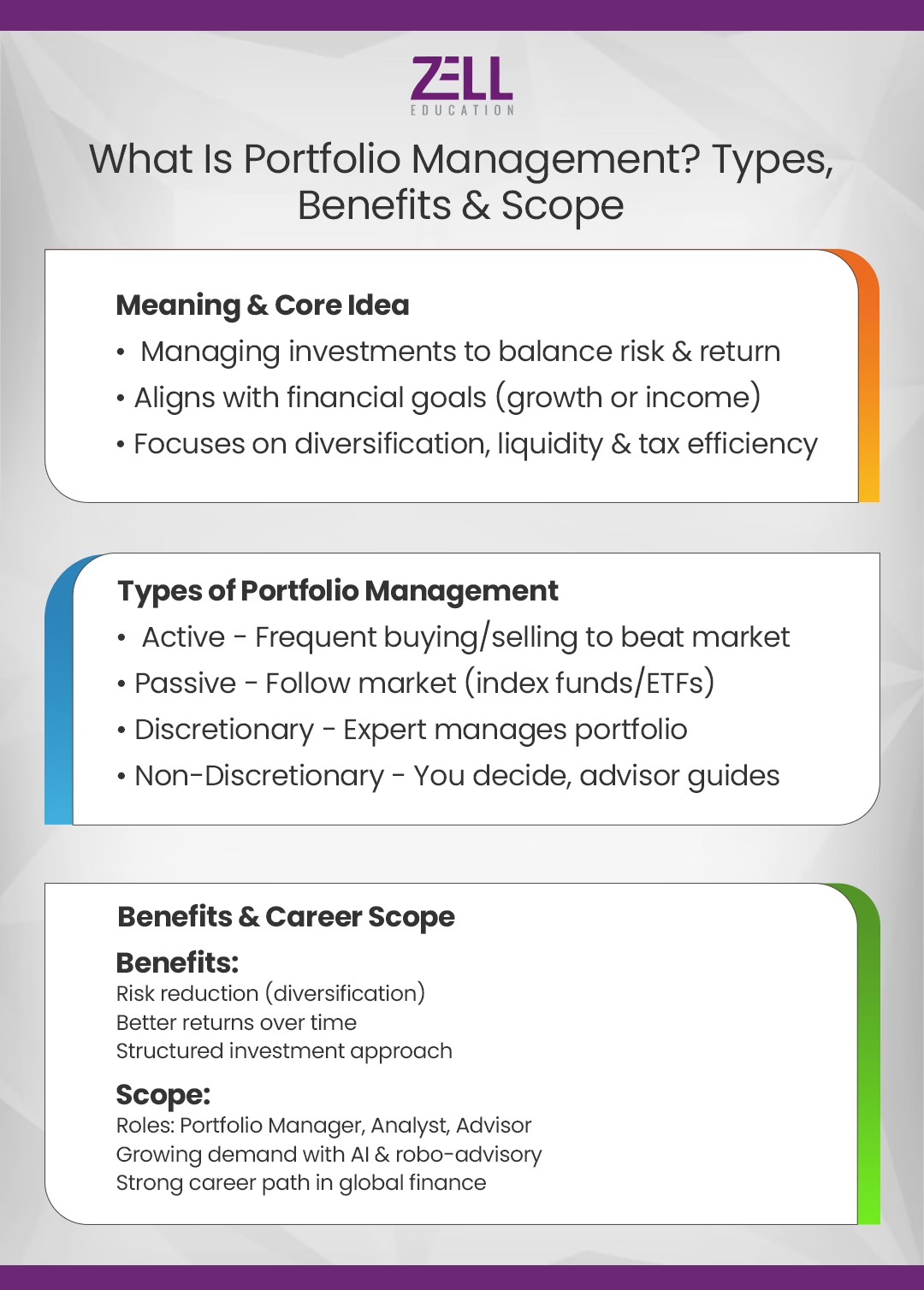
The Art and Science of Wealth Maximization
Wealth maximisation is not just about chasing higher returns; it involves making thoughtful decisions based on both numbers and judgement. Data and research can tell you a lot, but sometimes you just have to trust your gut. It’s a mix of knowing the facts and going with experience. Understanding what is CFA can further strengthen this approach, as it combines analytical knowledge with practical decision-making. Getting that balance right is what helps your money grow in a way that actually makes sense.
Understanding the Core Objectives of Portfolio Management
At its core, portfolio management is simply about handling your money in a way that feels right for your goals and situation:
- It’s about letting your money grow over time, while keeping in mind why you put it in the first place.
- Taking on only as much risk as you can realistically handle.
- Keeping some money within easy reach for when you might need it.
- Not overlooking taxes, as they can make a noticeable difference to what you actually keep.
- Tweaking your investments now and then as your needs and the market shift.
Capital Appreciation vs. Income Generation:
When you think about portfolio management meaning, it often comes down to whether you want your money to grow over time or provide a regular income. Some investments are better for the long run, while others give you cash along the way. Really, portfolio management is just about finding a balance that works for your life and what you need from your money.
Risk Mitigation: The “Don’t Put All Your Eggs in One Basket” Rule:
The main idea in portfolio management is not putting all your money in one place. If you spread it around a bit, one bad pick won’t mess up everything. No matter the types of portfolio management you follow, this approach tends to make things feel a bit more stable.
Liquidity and Tax Efficiency in Investment Planning:
It is easy to focus only on returns, but having access to your money when you need it matters just as much. Liquidity helps you avoid being stuck in a difficult position, while keeping an eye on taxes means you do not lose more than necessary. These are the quieter parts of what is portfolio management, but they can make a real difference over time.
4 Key Types of Portfolio Management Strategies
How you manage your investments depends on whether you want to be hands-on, hands-off, or somewhere in between:
- Active portfolio management is when you watch the market. You make a move only if something looks good.
- Passive portfolio management lets your investments follow the market without frequent adjustments.
- Discretionary portfolio management hands over control to an expert who acts with your goals in mind.
- Non-discretionary management means you stay in control, and a professional only chips in when you ask.
Active Portfolio Management: Beating the Market
Active management is when you keep a close eye on your investments and move quickly when you see a chance. For example, if a company is about to release a new product, you might buy shares early hoping the price rises. It can give better returns, but you need to watch the market and make decisions often.
Passive Portfolio Management: The Rise of Indexing and ETFs
Passive management is more relaxed. You invest in something like a FTSE 100 tracker or an ETF and mostly leave it alone. It grows along with the market, costs less, and doesn’t need daily attention.
Discretionary Portfolio Management: Trusting the Manager
With discretionary management, you let someone else handle your investments. They decide things like how much to put in shares or bonds depending on how the market is doing. This works well if you don’t want to make day-to-day decisions yourself.
Non-Discretionary Portfolio Management: Client-Led Decisions
Non-discretionary management keeps you in charge. The manager can give advice, but you make the final decisions. For example, you might be shown a few options and then pick what feels right for you.
Which Approach is Best for High-Net-Worth Individuals (HNIs)?
For high-net-worth individuals, the best approach really depends on how much they want to be hands-on. Some like to hand things over to a professional so they don’t have to worry about day-to-day decisions. Others prefer to keep an eye on things themselves, especially if they have strong ideas about where their money should go.
Chat with Us on WhatsApp – Get Instant Guidance on Portfolio Management
 Claim Your Discount
The Strategic Process: How Portfolios are Managed
Managing a portfolio is less about one-time decisions and more about a series of small, ongoing steps that keep everything on track.
| Stage | What It Looks Like in Practice |
| Understanding the starting point | This is where you figure out your goals, how much risk you’re okay with, and how long you plan to invest. |
| Choosing where to invest | Based on that, you decide how much goes into shares, bonds, or other options. |
| Putting the plan into action | Investments are actually made, keeping timing and market conditions in mind. |
| Keeping an eye on things | You don’t just leave it there; you check how everything is performing from time to time. |
| Making small adjustments | If something drifts off track, you tweak it rather than overhauling everything. |
| Reviewing as life changes | Big life events or changes in goals often mean the portfolio needs a second look. |
Security Analysis and Asset Allocation
Before investing, most people take a bit of time to understand where they’re putting their money. For example, instead of putting everything into shares, they might spread it across a few different options. It’s less about being perfect and more about not putting everything in one place.
Portfolio Implementation: Execution and Timing
Once the plan is clear, the next step is just getting started. Some people invest little by little instead of doing it all in one go. There’s no perfect timing, so it usually comes down to sticking with the plan.
Performance Evaluation and Rebalancing
After a while, it helps to take a quick look at how things are going. Sometimes one investment shoots up faster than the others. It can make things feel uneven. People usually shift a bit of money to balance it out.
Monitoring Benchmarks: S&P 500, Nifty 50, and Custom Indices
Keeping an eye on benchmarks like the S&P 500 or Nifty 50 gives a rough idea of how your portfolio is doing compared to the broader market. If your returns are far off, it can be a sign to pause and rethink a few choices. Some investors also prefer using their own benchmarks, especially when their portfolio does not neatly match a single index.
Major Benefits of Effective Portfolio Management
Effective portfolio management helps keep your investments organised and aligned with your goals. It can make managing risk easier while giving your money a better chance to grow over time. It also provides a clearer picture of how your investments are performing, which makes planning for the future simpler.
Diversification: Reducing Unsystematic Risk
People usually don’t like keeping all their money in one place, so spreading it out helps a lot. You might have some money in shares, some in safer options, just so one bad call doesn’t hurt too much. It doesn’t remove risk, but it does make things a bit easier to handle.
Professional Management and Data-Driven Insights
Some people prefer to let an expert handle their investments. They look at numbers, past trends, and trust their gut a bit. It won’t always work out, but it can save time and stop simple mistakes.
Customized Investment Solutions Based on Risk Appetite
Everyone has their own way of looking at risk. Some people are okay with a few ups and downs, while others like things to stay steady. That’s why portfolios are usually built around what works best for each person.
The Growing Scope of Portfolio Management in 2026
Portfolio management is opening up in a lot of new ways. Technology has made it much easier to keep an eye on your investments and tweak things when needed. Nowadays, there are lots more ways to learn about it or even get started with a career in this field.
Career Opportunities: Portfolio Managers, Analysts, and Advisors
There are lots of ways to work with investments these days. Some people spend their time analysing markets, while others help clients decide where to put their money. It’s a field that’s growing, so there’s plenty of room to find your own path.
The Role of AI and Robo-Advisory in Modern Portfolios
Technology is making it easier to manage money. For example, some apps can suggest changes or even move your money automatically. They don’t replace human experience, but they do make life a bit easier for investors.
Global Certifications for Aspiring Managers (CFA and US CMA)
Getting a recognised qualification can really help when you’re starting out. A CFA or US CMA certification shows you understand how investments and finances work. It does take a bit of effort, but it can really make a difference and help you grab the right chances.
Conclusion
Managing your money doesn’t have to be perfect. Just start small and figure things out as you go. With a bit of patience and effort, your portfolio can actually help you reach the things you care about.
FAQs on What Is Portfolio Management
What is the primary difference between active and passive portfolio management?
Active management tries to beat the market, while passive management follows it.
Why is asset allocation considered the most important part of portfolio management?
It’s about how you split your money, which changes how risky things are and what you might earn.
Is portfolio management only for wealthy investors?
Not at all; anyone can plan and manage investments according to their goals.
What are the 3 main elements of portfolio management?
Security selection, asset allocation, and ongoing monitoring.
How do I start a career in Portfolio Management in India?
Just start by learning the basics of finance. Try to get some hands-on experience too. Later, you can think about taking a CFA or US CMA if it feels right.

Current Role
Co-Founder & CEO at Zell Education
Education
- ACCA – Association of Chartered Certified Accountants, Finance (2011 – 2014)
- Bachelor of Commerce (BCom), Financial Markets from H.R. College Of Commerce & Economics (2010 – 2013)
Location
Mumbai, India
Expertise
ACCA Certified
Why Zell?
- • Largest Provider for Global F&A Courses
- • 4.6 Google Review Rating
- • 1000+ Global Placement Partners
- • Placement Opportunities at the Big 4
- • 100+ Global & Indian Rank Holders
- • 100+ Faculty Network
- • 10,000+ Students Placed
Speak to A Career Counselor
Zell's 10th Anniversary Offer - Avail a 10% Scholarship